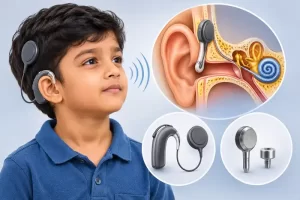
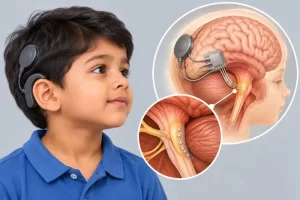
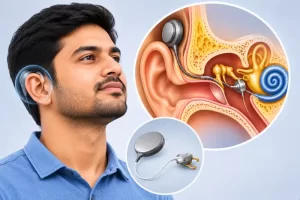
CI (Cochlear Implant) is one of the most advanced hearing devices and can be used for hearing loss and poor hearing caused by damaged ear organs. Hearing aids just amplify sound, whereas cochlear implants stimulate the auditory nerves and bypass damaged hearing structures.
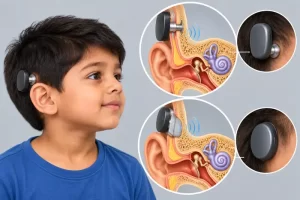
In essence, there are two main components in cochlear implants: one is implanted in the head and located within the cochlea, while the other is placed behind the ear and is known as the sound processor. Both of them help detect sounds and understand speech better.
Cochlear implants can be used for both children and adults with hearing impairment. For children born with hearing problems, early implantation allows them to develop good speech skills and other socialization skills necessary for learning. Adults who have lost hearing over their lifetimes can restore their hearing.
Modern CI surgeries offer significant benefits to patients with hearing problems, enabling them to lead high-quality lives.
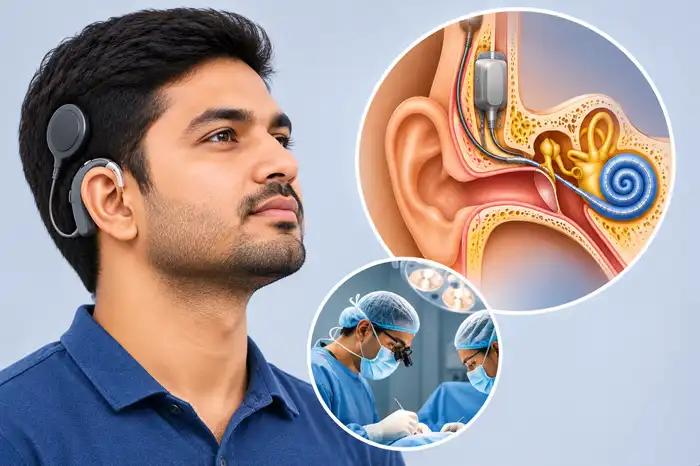
Some patients may need cochlear implant surgery for various reasons.
Common Candidates for Cochlear Implants Are:
Hearing evaluations help determine the suitability of cochlear implants.
There are several conditions that can damage the inner ear.
Common Causes Include:
The type of hearing impairment affects one’s eligibility for cochlear implants.
Candidates for cochlear implants exhibit signs of hearing impairment.
Some of Them Include:
Diagnosis must be made early, particularly in kids, as it will aid their speech and language development.
An extensive evaluation is needed prior to surgery.
Tests Conducted Before Surgery:
These assessments are conducted to establish the state of hearing ability, the internal structure of the cochlea, and suitability for implantation.
General anesthesia is used during implantation.
Overview of Implantation Procedure
This process typically lasts a few hours. Modern surgeries aim at saving the fine structures of the ears.
Implants are generally turned on after a few weeks following surgery.
Postoperative Rehabilitation Consists of:
Your brain’s ability to adapt to auditory input is greatly aided by rehabilitation.
In many cases, children may need speech and language therapy for long periods to facilitate optimal development.
Cochlear implants can significantly improve your hearing and communication.
Benefits Often Associated with This Surgery Include:
The results of this procedure vary from one person to another, depending on many factors.
Cochlear implantation surgery is considered a safe procedure, but risks may arise as in other procedures.
Some Possible Risks and Complications May Include:
Most people successfully live with cochlear implants through proper rehabilitation.
Tips for Taking Care of Yourself Include:
Through effective rehabilitation and constant family support, recipients of cochlear implants can make significant progress in hearing.
LIKITA ENT Hospital is a trusted ENT Centre for cochlear implant evaluation and surgery in Patna, Bihar, India, providing specialized assessment and treatment planning for children and adults with severe to profound sensorineural hearing loss and limited benefit from conventional hearing aids. Our ENT specialists focus on comprehensive hearing assessment, careful evaluation of cochlear implant suitability, and individualized treatment planning based on each patient’s hearing condition, age, and communication needs. With detailed audiological testing, appropriate diagnostic investigations, surgical planning, implant activation and mapping, and dedicated auditory and speech-language rehabilitation, LIKITA ENT Hospital aims to support improved sound awareness, speech understanding, communication abilities, and quality of life. Regular follow-up and continued rehabilitation help patients adapt to their cochlear implants and work toward the best possible outcomes for their individual needs.