
Mastoidectomy is an ear operation that involves the surgical removal of diseased or infected air cells in the mastoid bone, due to conditions such as chronic otitis media, cholesteatoma, or recurrent middle ear infections. The mastoid air cells are located within the mastoid bone, a structure behind the external ear canal that connects to the middle ear space via the aditus.
The purpose of mastoidectomy is to eliminate any infections, diseased structures, and prevent complications while preserving as much hearing as possible during the process. This type of ear surgery is usually performed in combination with tympanoplasty and ossiculoplasty for chronic otitis and hearing impairment.
Advanced surgical techniques, including modern microscopic surgery and endoscopic technology, have been used recently to reduce the risk of complications, improve accuracy, and promote recovery. In mastoidectomy operations, either partial or total removal of the air cells of the mastoid bone may be required, depending on the level of disease.
Mastoidectomy helps to prevent complications such as progressive hearing loss, damage to the facial nerve, dizziness, meningitis, and other conditions.
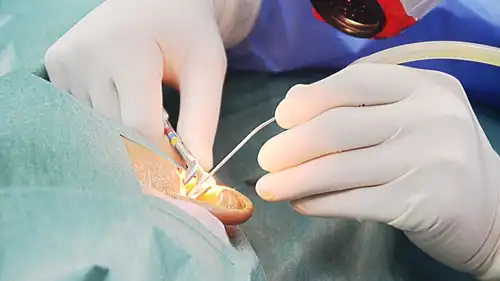
It is advisable to undergo surgery for people with ear diseases involving the mastoid bone.
• Chronic Suppurative Otitis Media (CSOM)
• Cholesteatoma
• Recurrent or persistent ear infections
• Mastoiditis
• Persistent Ear Discharge
• Hearing loss from chronic ear infection
• Complications from a middle ear infection
• Failure of prior ear surgery
The procedure aims to prevent further complications or disease progression.
Many underlying factors may cause infection and destruction of the mastoid air cells.
• Lack of treatment of chronic ear infections
• Cholesteatoma
• Recurrence of middle ear infection
• Poor control of mastoiditis
• Tardy response to ear disease
• Bacterial infection
Failure to treat an ear infection may result in bone destruction and infection of adjacent structures.
People undergoing mastoidectomy suffer from some persistent or severe ear disorders.
• Ear Discharge
• Loss of Hearing
• Ear Pain
• Swelling Behind the Ear
• Recurring Ear Infections
• Bad-smelling ear discharge
• Tinnitus (ringing in the ears)
• Vertigo (a feeling of dizziness)
• Fever when infected
The procedure depends on the severity of the disease and its effects on the surrounding structures.
• Simple (cortical) mastoidectomy: Removal of diseased mastoid air cells without involving the middle ear structures.
• Canal wall-up mastoidectomy: Removal of diseased tissue without removing the wall of the ear canal.
• Canal wall down mastoidectomy: Removal of diseased structures, including part of the ear canal wall in extensive disease cases.
• Radical mastoidectomy: An aggressive surgery performed in severe or complicated cases.
The procedure chosen depends on the case scenario and degree of hearing loss.
Accurate diagnosis of the condition should precede mastoidectomy.
• ENT examination
• Microscopic examination of the ear
• Pure tone audiometry (PTA)
• Speech audiometry
• CT scan of the temporal bone
• Evaluation of the extent of disease in the middle ear and mastoid
These tests help assess the severity of the infection and determine an appropriate treatment plan.
It involves surgery under general anesthesia using highly advanced microsurgery/endoscopic procedures.
• Entry into the mastoid bone behind the ear
• Excision of the mastoid air cells affected by infection
• Removal of cholesteatoma or other affected tissues
• Reconstruction or preservation of the structures responsible for hearing, wherever possible
• Drainage and reconstruction of the middle ear when needed
Advancements in operating microscopes and drills permit accurate excision of affected tissues without harming the facial nerve or the inner ear.
Generally, recovery takes several weeks post-surgery in most patients.
• Dryness of the affected ear
• Medication
• Ear cleaning and checking
• Assessment of hearing after recovery
• Preventing overexertion for some time
Depending on the surgical treatment, recuperation times vary and are influenced by the severity of the disease.
Mastoidectomy helps manage infections and maintain healthy hearing and surrounding structures.
• End of an existing ear infection
• Prevention of further issues
• Lower discharge from the ear
• Preservation or enhancement of hearing
• Good condition and comfort of the ear
• Prevention of any diseases in the future
Good results lead to an enhanced quality of life for the patient.
Even though mastoidectomy is quite safe, there might be a few complications associated with it.
• Deterioration in hearing abilities
• Dizziness or imbalance
• Facial nerve paralysis
• Tinnitus
• Infection or wound complications
• Abnormal taste sensation
• Cholesteatoma recurrence
Appropriate surgical skill and post-operative care will ensure that these complications do not arise.
Patients can resume normal activities once appropriate recovery and aftercare have been completed.
• Regular ENT check-ups
• Safety of the ear against water contamination
• Do not insert anything in your ear.
• Treat any future infections appropriately.
• Keep up with hearing rehabilitation as recommended.
Following up for long periods helps maintain ear health and hearing outcomes.
Likita ENT Hospital is one of the best hospitals for Mastoidectomy Surgery in Patna, India, offering advanced diagnosis and surgical treatment for chronic ear infections, cholesteatoma, mastoiditis, and other complex ear conditions. Led by Dr. Rajneesh Ranjan, an experienced ENT surgeon with over 20 years of expertise, the hospital provides comprehensive care using advanced operating microscopes, endoscopic ear surgery, modern audiology services, facial nerve monitoring, and minimally invasive surgical techniques. With a strong focus on patient safety, hearing preservation, faster recovery, and long-term outcomes, along with dedicated post-operative rehabilitation in collaboration with experienced audiologists, Likita ENT Hospital is committed to delivering world-class ENT care and excellent surgical results for patients across Bihar and neighbouring states.
