Tinnitus is the sensation of noise or ringing in the ears or head when there is no actual external source of the sounds. Ringing, buzzing, humming, whistling, clicking, roaring, or hissing are among the most common symptoms that appear to come from one or both ears or the head. Tinnitus is not a disorder on its own; rather, it’s a symptom caused by other health conditions, ear diseases, hearing loss, brain issues, prolonged noise exposure, and more.
Tinnitus may vary greatly in intensity and frequency. In many patients, it becomes an obstacle that affects their concentration, social relationships, sleep, mood, and day-to-day activities. A severe case of tinnitus can also result in anxiety, irritability, depression, exhaustion, and overall decline in people’s well-being. To prevent that, one has to undergo Tinnitus Assessment and Management to detect the underlying causes of the symptom.
The Diagnosis and Treatment of tinnitus comprise an assessment that identifies the causative factors, types, and severity levels associated with tinnitus, hearing loss, and the psychological effects it causes.
The goals of contemporary tinnitus treatment are to reduce anxiety caused by the condition, restore hearing, help the brain adjust to tinnitus sounds, and enhance overall quality of life. Although there isn’t always a cure for tinnitus, many people can use cutting-edge therapy techniques to significantly reduce and manage the condition.
Proactive assessment and a personalized treatment approach can help avoid tinnitus complications and deterioration that might affect one’s psychological well-being.
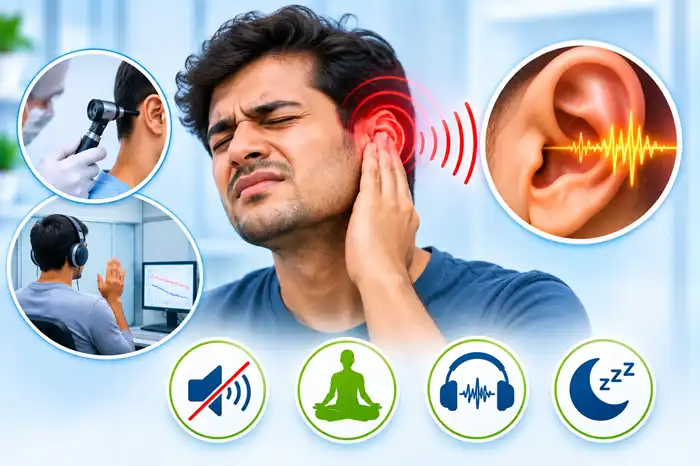
Tinnitus refers to the auditory sensation in the absence of any external noise stimulus.
Typical Tinnitus Sounds Are:
Depending on the individual, the severity and patterns of tinnitus may differ.
Assessment helps identify the precise kind and cause of tinnitus.
There might be various causes of ENT-related, auditory, nervous system, or other medical issues that lead to tinnitus.
These Include the Following Reasons:
It is possible to experience tinnitus for no reason at all.
Depending on the reason and severity of the problem, there may be different accompanying symptoms.
Typical Symptoms Include the Following:
In the case of worsening tinnitus, a professional assessment is necessary.
Assessment allows for the identification of the causes and severity of tinnitus.
Assessment Helps:
Accurate diagnosis will significantly contribute to successful treatment and symptom control in the long run.
Tinnitus evaluation often involves ENT examination and audiometric assessment.
Tests Used During Assessment Include:
Tests mentioned above help determine the nature of tinnitus.
Management options largely depend on the underlying causes of tinnitus and patients’ complaints.
Approaches Used in Tinnitus Management May Include:
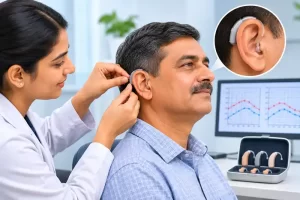
Many people who suffer from tinnitus also experience hearing impairment.
How Hearing Aids Help:
In addition, advanced hearing aids may include tinnitus-masking capabilities.
Sound treatment helps minimize the impact of tinnitus.
Popular Approaches to Sound Treatment:
Sound therapy helps the brain better cope with tinnitus symptoms.
Persistent tinnitus may negatively affect psychological well-being.
How Counseling Helps:
Counseling is a crucial part of tinnitus management.
There are some lifestyle changes that could help decrease tinnitus symptoms.
These helpful measures include:
Proper auditory practice contributes to hearing well-being.
Proactive treatment prevents tinnitus from impacting daily activities.
Benefits of Prompt Management:
Early diagnosis contributes to effective symptom control.
Last Updated: November 8, 2026
LIKITA ENT Hospital is a trusted ENT Centre for tinnitus assessment and management in Patna, Bihar, India, providing specialized evaluation and care for individuals experiencing persistent ringing, buzzing, humming, whistling, or other unusual sounds in the ears. Our ENT specialists focus on identifying possible underlying causes, assessing associated hearing difficulties, and developing personalized management plans based on each patient’s symptoms and clinical requirements. With comprehensive ear examinations and audiological investigations such as Pure Tone Audiometry (PTA), Speech Audiometry, Tympanometry, Otoacoustic Emissions (OAE), and tinnitus pitch and loudness matching when indicated, LIKITA ENT Hospital aims to support accurate diagnosis and appropriate treatment planning. Management recommendations may include medical treatment for underlying ear conditions, hearing aids, sound therapy, Tinnitus Retraining Therapy (TRT), counseling, and lifestyle guidance according to individual needs. Personalized follow-up and ongoing support help patients manage tinnitus-related discomfort, improve sleep and concentration, and work toward better communication and quality of life.