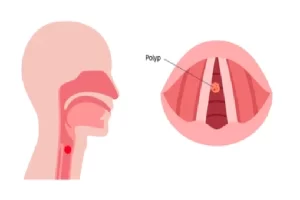
Adenoids are a cluster of tissues found at the back of the nose, situated above the palate, on top of the throat. Like the tonsils, the adenoids help protect the body against infections by capturing germs and viruses that enter the mouth and nose. The function of adenoids is highest in childhood but tends to reduce with age.
Problems occur if the adenoids repeatedly swell or become infected. Adenoid swelling can interfere with nasal breathing and may cause breathlessness, snoring, disturbed sleep, ear infections, and recurrent throat or sinus infections. Adenoid disorders affect children more commonly, but can occur in adults as well.
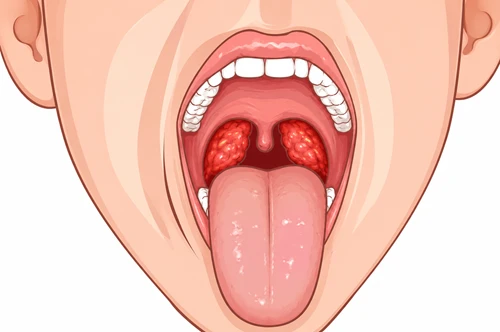
Enlargement of adenoids or adenoid infection is due to continuous immune responses to pathogens.
Common Factors That Can Cause Adenoid Problems:
The size of the adenoids affects the symptoms and the degree of airway obstruction.
Symptoms include, but are not limited to:
Adenoids are mainly diagnosed based on the type of infection.
The condition involves enlarged adenoids without infection, leading to airway obstruction and difficulty breathing.
This involves inflammation or infection of the adenoids, with fever, nasal drainage, and throat infection.
A chronic condition involving enlarged adenoids that causes obstruction of the nasal passages and other sleeping problems.
Correct diagnosis leads to proper treatment.
Proper diagnosis is necessary to determine the size of the adenoids and their effect on breathing and ear infections.
Methods of Diagnosis
The following methods can be used to diagnose enlarged adenoids:
These tests will help ENT specialists estimate the severity of the problem.
It largely depends on symptom severity, infection rate, and whether breathing and sleep are affected.
Enlarged or inflamed adenoids requiring surgical treatment are removed by performing an adenoidectomy.
Indications for Adenoidectomy
An adenoidectomy refers to surgical intervention to remove the adenoids and is often suggested when:
Current advancements in medicine have made this surgery safer and more efficient than before.
Health problems caused by untreated enlarged or infected adenoids include:
Complications May Be:
Prompt diagnosis prevents the development of complications.
While prevention is not always possible, there are ways to minimize the risk of infection recurrence and adenoid hypertrophy.
Preventive Measures Include:
ENT examination is recommended if symptoms persist.
Children with an enlarged tonsil usually show considerable improvement after proper treatment.
Essential Advice Includes:
Adequate treatment results in satisfactory recovery.
Likita ENT Hospital offers safe and effective Adenoids Treatment in Patna, Bihar, India, at an affordable cost. Our team of experienced ENT specialists provides accurate examination and diagnostic assessment to identify enlarged adenoids and evaluate their impact on breathing, sleep, and ear health. Treatment is tailored according to the size of the adenoids, severity of symptoms, age, recurrent infections, and individual patient needs, with appropriate care provided especially for children. When required, our ENT specialists can manage associated nasal blockage, mouth breathing, snoring, sleep disturbances, recurrent throat or ear infections, Eustachian tube problems, or hearing difficulties and recommend suitable medical or surgical treatment, including adenoidectomy when appropriate. With advanced ENT diagnostic facilities, experienced specialists, and a patient-focused approach, Likita ENT Hospital is committed to providing safe, precise, and comfortable Adenoids Treatment in Patna, Bihar, India.