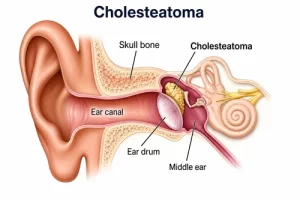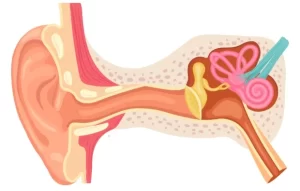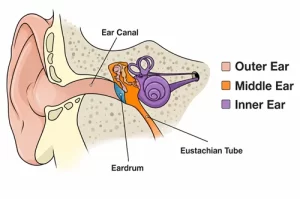
Otosclerosis is an ear disorder characterized by the hardening of one of the tiny bones of the ear, the stapes, which can lead to hearing loss. In otosclerosis, normal stapes bone growth is altered, leading to stiffness. This disrupts the vibrations that carry sound waves from the outer (external) ear to the inner ear.
Otosclerosis affects middle-aged to older persons. The condition affects one or both ears and usually develops very slowly. This condition does not cause serious health effects; however, it negatively affects one’s ability to communicate.
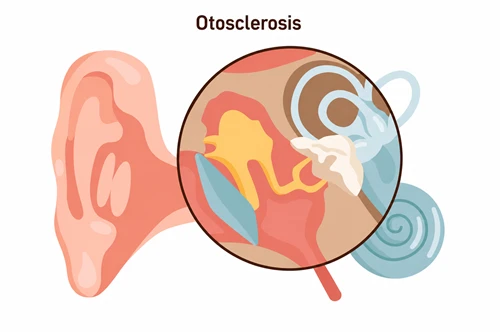
The specific cause of otosclerosis has not been established; however, several factors have been associated with it.
Some Common Causes/Risk Factors Include:
Otosclerosis affects more young adults and tends to develop slightly more often in females.
Otosclerosis symptoms occur gradually and worsen with time.
Common symptoms include:
Gradual hearing loss can leave individuals unaware of the condition until the problem becomes severe.
Otoscopic examination usually shows no abnormalities.
There are various types of otosclerosis, depending on which part of the ear is affected.
Determining the specific type enables the right treatment method for the individual.
For otosclerosis to be effectively managed, an early and accurate diagnosis is essential.
Tests used for diagnosis are:
Treatment of otosclerosis aims to improve hearing and prevent further progression of the disease.
A surgical approach is the best option for eligible patients.
Procedure Used
The surgical process is highly successful and helps restore hearing to a great extent.
Untreated otosclerosis leads to progressive hearing loss that may become severe if left untreated.
Complications May Include:
Intervention can prevent all of the above complications.
Otosclerosis cannot be prevented because it is largely genetic.
Preventive Steps to Take:
Proper knowledge and prompt action can help manage the condition well.
Important Tips:
With proper treatment and care, people can preserve their quality of life.
Likita ENT Hospital offers safe and effective Otosclerosis Treatment in Patna, Bihar, India, at an affordable cost. Our team of experienced ENT specialists provides accurate ear examination, hearing evaluation, and appropriate diagnostic assessment to identify otosclerosis and determine its effect on hearing. Treatment is tailored according to the severity of hearing loss, type of otosclerosis, age, and individual patient needs, with appropriate care provided for adults and patients with progressive hearing difficulties. When required, our ENT specialists can manage associated conductive or mixed hearing loss and recommend suitable treatment options, including hearing aids or surgical procedures such as stapedectomy or stapedotomy when appropriate. With advanced ENT diagnostic facilities, experienced specialists, and a patient-focused approach, Likita ENT Hospital is committed to providing safe, precise, and comfortable Otosclerosis Treatment in Patna, Bihar, India.