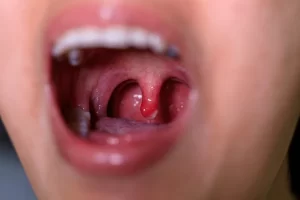
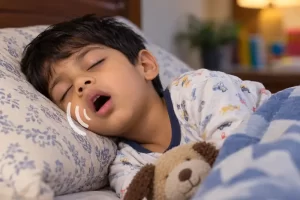
Sinusitis is the inflammation of the sinuses (air-filled sacs within the nasal cavity, cheekbones, eyes, and forehead). It is a medical disorder observed in children that may arise after a cold, allergy, or upper respiratory infection, during which bacteria may multiply due to accumulated mucus in the sinuses. Symptoms that can occur are a blocked nose, nasal swelling, facial pain, and breathing difficulties.
Pediatric patients suffering from sinusitis may suffer from disrupted sleeping patterns, concentration problems, eating problems, and even affect the quality of life of the child. While sinusitis in children can be easily treated, an ENT doctor should assess chronic cases to determine the underlying cause and prevent complications. Children who have chronic or recurrent sinusitis may be prone to sinusitis because of allergies, enlarged adenoids, blockage of the airway, and repeated childhood infections.
Correct diagnosis and timely treatment can improve symptoms, relieve blocked airways, and reduce the risk of recurrent infection.
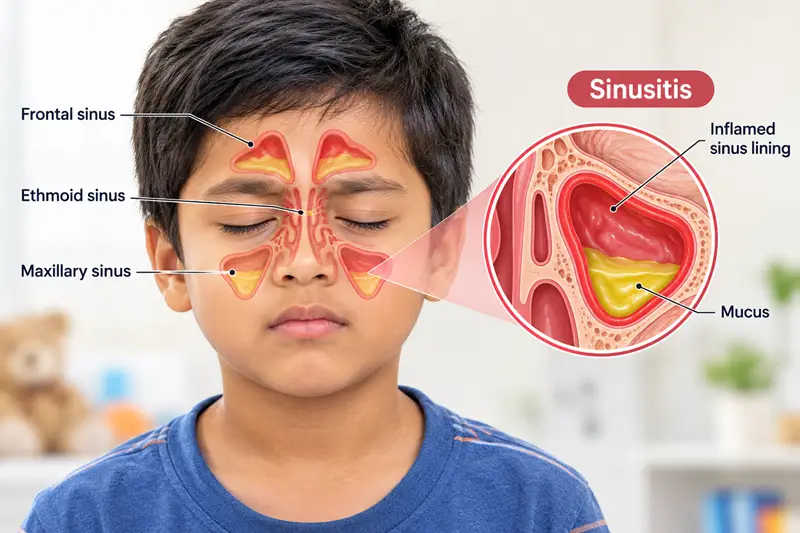
The underlying cause of sinusitis is blockage in the natural drainage of mucus from the sinus cavities. The commonest reasons for a blocked airway are:
Children with untreated allergies or blocked airways were more likely to develop infections, such as sinusitis.
Symptoms of sinusitis vary in intensity, severity, and duration.
Common signs of sinusitis are:
Younger children are less likely to complain of facial pain; instead, their nose may become blocked, or they may develop a cough.
Sinusitis may be broadly categorized into groups based on duration of illness and severity:
It is important to reach the correct diagnosis, as there may be other conditions with similar symptoms, to ensure the appropriate management pathway is followed.
To obtain an accurate diagnosis, a variety of procedures may be required to identify the cause of the sinusitis and the full extent of the inflammation. These include:
An ENT specialist can use the gathered information to accurately diagnose a patient and develop a treatment plan.
The treatment plan for sinusitis depends on the duration, severity, and underlying cause of the condition. Medical and surgical treatments are available.
Effective prevention and treatment of allergic reactions can prevent the recurrence of the infection.
If the condition is not responding to medication and other treatments, the patient may undergo surgery. Types of surgery available include:
Adenoid removal (adenoidectomy)
If a patient’s sinusitis is not appropriately treated, it could lead to further illness. These include:
It is important to be vigilant of these symptoms and seek treatment.
Some precautions can be taken to help reduce the instances and intensity of sinusitis:
If a child is suffering from recurrent infections, it is advised to attend regular appointments with an ENT specialist.
Most children recovering from sinusitis will be healthy again after appropriate treatment and care. The following tips can be useful:
It is important to consider long-term treatment and care in order to avoid recurring episodes.
Likita ENT Hospital offers safe and effective Sinusitis Treatment in Children in Patna, Bihar, India, at an affordable cost. Our team of experienced Pediatric ENT specialists provides accurate nasal and sinus examination and diagnostic assessment to identify the type, severity, and underlying cause of sinusitis in children. Treatment is tailored according to the child’s age, duration and severity of symptoms, recurrent sinus infections, allergy-related conditions, nasal abnormalities, and individual needs. When required, our Pediatric ENT specialists can manage associated nasal blockage, facial pain or pressure, persistent cough, thick nasal discharge, postnasal drip, headache, reduced sense of smell, or recurrent sinus infections and recommend suitable medical or surgical treatment, including endoscopic sinus procedures when appropriate. With advanced ENT diagnostic facilities, experienced specialists, and a child-focused approach, Likita ENT Hospital is committed to providing safe, precise, and comfortable Sinusitis Treatment in Children in Kankarbagh, Patna, Bihar, India.