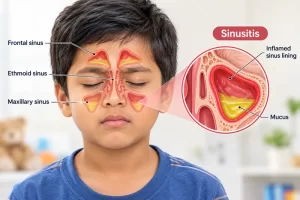
The allergic disease known as allergic rhinorrhea affects the nose and upper respiratory tissues, resulting from interactions between the immune system and environmental allergens such as pollen, dust, animal dander, mold, and more.
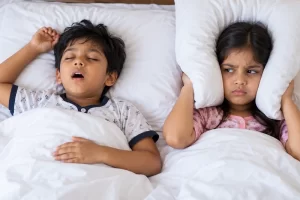
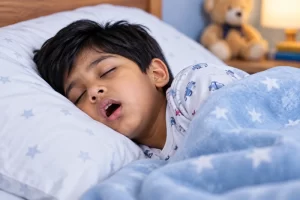
Also known as nasal allergy or hay fever, allergic rhinitis can affect children’s sleep, concentration, and school performance. Poor management of the condition may lead to complications like sinusitis, otitis media, mouth breathing, and others.
Depending on the presence of allergens, allergic rhinitis can be either seasonal or permanent. If a child receives proper ENT treatment and allergy management, they will have improved breathing and reduced symptoms.
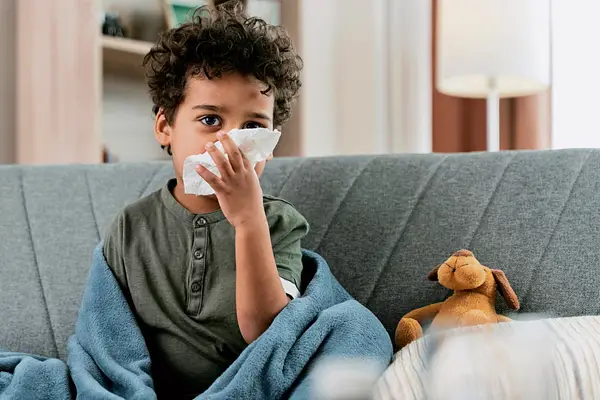
The cause of the condition is an immune hypersensitivity reaction to allergens.
Possible Triggers Are:
Children with a family history of allergies or asthma are at higher risk of developing the condition.
The symptoms range from irritation to nasal obstruction and difficulty breathing.
Common symptoms include:
Symptoms worsen when allergic reactions occur in response to environmental exposures.
The onset determines how allergic rhinitis is classified and the frequency of symptoms.
Seasonal Allergic Rhinitis
Symptoms occur during certain seasons when pollen levels are higher.
The information above will guide the management of a patient’s allergies.
A proper diagnosis is necessary to identify the underlying causes and prevent future complications.
Diagnostic Techniques Include:
It assists the ENT physician in diagnosing the severity and the etiologies of the disease process.
Management is directed towards preventing allergen exposure, reducing inflammation, and preventing relapse.
Measures for Allergen Control
This therapy may be used in certain cases to decrease sensitization to allergens.
Supportive Treatment
Most children respond well to appropriate treatment and prevention measures.
Untreated allergies can have far-reaching effects on a child’s health and growth.
Complications May Include:
Early diagnosis helps prevent such complications.
There is not much in the way of allergy prevention beyond avoiding allergens.
Preventive Measures Involve:
Routine follow-up with ENT specialists is advisable.
With appropriate management, children with allergic rhinitis can live healthy, active lives.
Key Points for Parents:
Continuous treatment of allergies will significantly improve comfort levels, sleep, and the child’s ability to participate in daily activities.
Likita ENT Hospital offers safe and effective Allergic Rhinitis Treatment in Children in Patna, Bihar, India, at an affordable cost. Our team of experienced ENT specialists provides accurate nasal examination and diagnostic assessment to identify allergy-related nasal symptoms and evaluate their severity and possible triggers. Treatment is tailored according to the child’s age, symptoms, frequency of allergic episodes, environmental triggers, and individual needs. When required, our ENT specialists can manage associated sneezing, runny or blocked nose, nasal itching, postnasal drip, mouth breathing, disturbed sleep, or recurrent nasal symptoms and recommend suitable medical treatment, allergen avoidance measures, and further evaluation when appropriate. With advanced ENT diagnostic facilities, experienced specialists, and a child-focused approach, Likita ENT Hospital is committed to providing safe, precise, and comfortable Allergic Rhinitis Treatment in Children in Patna, Bihar, India.