Tonsillitis: an inflammatory disease of the tonsils, oval-shaped lymphoid tissue at the back of the throat, is a common condition in young children that can occur from viral or bacterial infections and can lead to throat pain, swelling, fever, and difficulty swallowing. Tonsillitis can affect children occasionally or recur. Mild instances can be managed with medication and relaxation, but recurrent bouts of tonsillitis can affect a child’s appetite, sleep, school performance, and overall quality of life. Enlarged tonsils can even affect breathing and cause sleep disturbances. It’s crucial to seek early ENT diagnosis to treat symptoms, prevent further complications, and determine whether surgery is necessary.
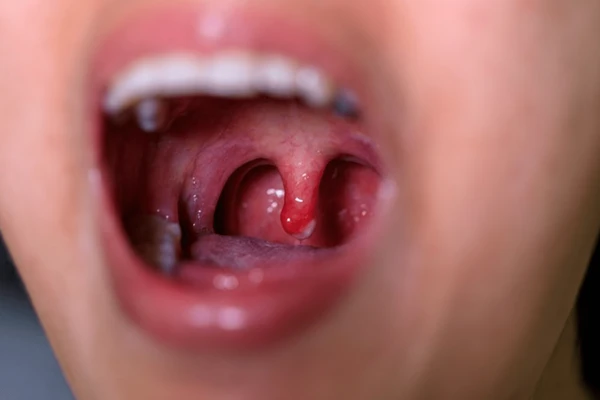
Tonsillitis happens when viruses or bacteria infect the tonsils. This can be caused by:
While viruses usually affect younger children, bacterial infections can cause more severe symptoms.
The symptoms depend on how serious the infection is, but they commonly include:
Young children are likely to be irritable and may refuse to eat because of the pain.
Tonsillitis can be classified by how often the child suffers from it:
The type of tonsillitis diagnosed helps the ENT doctor determine the best course of treatment.
Determining the cause and severity requires an accurate diagnosis. Doctors can do this by:
These examinations help an ENT physician determine the best course of treatment and/or surgery.
Treatment is tailored to the type, cause, and severity of the tonsillitis and can include medical or surgical options:
A tonsillectomy, or surgical tonsil removal, could be advised if a child has:
The latest techniques for surgical removal are targeted to relieve discomfort and encourage a quick recovery.
In case tonsillitis is not treated, then complications associated with it might occur, including:
Receiving appropriate, timely treatment can help prevent most complications and help a child recover more quickly and effectively.
Certain precautionary measures can significantly reduce a child’s risk of contracting throat infections. Preventive steps include:
Children who frequently develop these infections should be seen by an ENT professional for regular monitoring and advice.
The vast majority of children recover quickly once treatment is provided and have follow-up appointments with the ENT specialist when necessary.
A Parent’s Guide to Looking After a Child with Tonsillitis:
Effective treatment and prevention strategies will ensure children can return to their usual activities pain-free.
Last Updated: September 14, 2026
Likita ENT Hospital offers safe and effective Tonsillitis Treatment in Children in Patna, Bihar, India, at an affordable cost. Our team of experienced Pediatric ENT specialists provides accurate throat examination and diagnostic assessment to identify the cause and severity of tonsillitis and evaluate the condition of the tonsils. Treatment is tailored according to the child’s age, symptoms, frequency of infections, severity of inflammation, and individual needs. When required, our Pediatric ENT specialists can manage associated sore throat, difficulty swallowing, fever, enlarged or infected tonsils, recurrent tonsillitis, or related throat problems and recommend suitable medical or surgical treatment, including tonsillectomy when appropriate. With advanced ENT diagnostic facilities, experienced specialists, and a child-focused approach, Likita ENT Hospital is committed to providing safe, precise, and comfortable Tonsillitis Treatment in Children in Patna, Bihar, India.