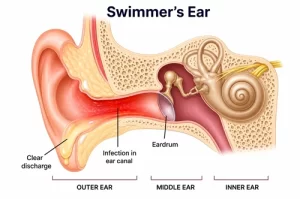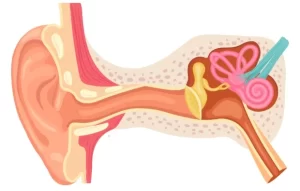
Cerumen, another name for earwax, is a naturally occurring byproduct of glands located in the ear canal that serves a protective purpose. Earwax traps dust particles, dirt, and microorganisms that would otherwise penetrate deeper into the inner ear. Most of the time, earwax is naturally expelled from the ear canal without treatment.
However, when there is overproduction or over-accumulation of earwax, patients experience many problems, including pain and hearing difficulties. Although it is considered a mild condition, impacted earwax poses many challenges for people who do not receive proper medical care.
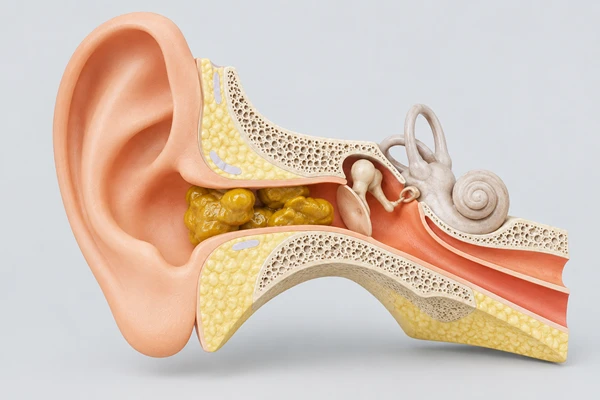
There are two primary reasons for the accumulation of earwax in the ear canal.
Main Causes Are:
These causes can push earwax back into the ear canal, leading to an accumulation of wax.
Excess or impaction of earwax may cause various symptoms, depending on the degree of obstruction.
Possible Symptoms Include:
Symptoms usually progress as the wax accumulates in the ears.
Earwax may differ from one patient to another based on the type.
Information about the type is important for determining how to manage the condition.
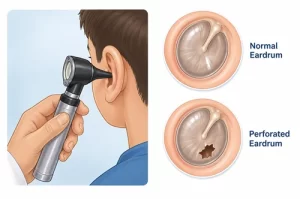
Earwax buildup diagnosis is easy, as doctors perform it through clinical examination.
Methods of Diagnosis Are:
Treatment involves the safe removal of excess and impacted earwax.
Professional treatment ensures safe and proper removal of earwax.
When left untreated, earwax impaction can lead to complications.
Potential Complications May Include:
Proper removal of impacted wax prevents these complications.
Proper ear hygiene helps prevent excessive earwax buildup.
Remember that the ear canal is self-cleaning in most cases.
Many individuals will experience impacted earwax at some point in their lives; however, it can be easily managed with the right care.
Important Pointers:
Proper care will ensure that earwax complications are effectively managed.
You should consult an ENT specialist if you experience persistent ear pain, reduced or muffled hearing, a feeling of fullness in the ear, ringing sounds (tinnitus), dizziness, or repeated earwax buildup. Avoid attempting to remove impacted earwax using cotton buds or sharp objects, as this can push the wax deeper into the ear canal and cause injury. An ENT specialist can safely examine your ears and remove the impacted wax using appropriate techniques, helping restore hearing and prevent complications.
LIKITA ENT Hospital provides safe, effective, and comfortable earwax (cerumen) removal in Patna, India, under the expert care of Dr. Rajneesh Ranjan, an experienced ENT specialist with over 20 years of expertise. Using advanced diagnostic equipment such as otoscopy and microscopic ear examination, along with specialized instruments, we ensure precise removal of impacted earwax while protecting the ear canal and eardrum. Our patient-centred approach, modern facilities, and commitment to high-quality ENT care make LIKITA Hospital a trusted choice for earwax removal and comprehensive ear health services.