What is Otitis Externa (Swimmer’s Ear)?
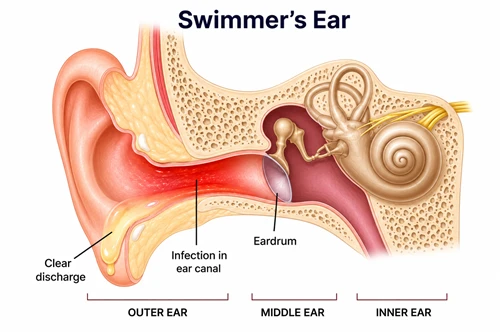
Otitis externa is a disease in which the part of the ear that connects the outer part of the ear and the eardrum becomes infected. The term “otitis externa” can also be called “swimmer’s ear,” and it happens when the outer ear canal lacks its protective barriers against bacteria and fungi because of moisture, injuries, or irritants.
Otitis externa is a common disease that can occur in anyone at any age, though it is more common among frequent swimmers. Although it is rarely life-threatening, it causes pain and additional symptoms that make it difficult to go about daily tasks. Seeking therapy as soon as possible is advised to promote quick recovery and prevent severe health problems.
What causes Otitis Externa (Swimmer’s Ear)?
Otitis externa arises when the natural defenses in the outer ear canal break down.
The Common Causes Include:
- Moisture can become trapped in the outer ear canal during sweating or swimming.
- Ear injury caused by inserting cotton swabs and earphones
- Skin diseases such as eczema and dermatitis
- Fungal or bacterial infections
- An allergic response to hearing aids and hair care products
These factors contribute to creating a warm environment conducive to microbial multiplication.
What are the Symptoms of Otitis Externa?
Symptoms of otitis externa usually arise soon after the infection.
Symptoms Commonly Experienced Include:
- Pain in the ears, which can be excruciating and increases upon touching the ear
- Itching in the inner ear
- Redness and inflammation of the external ear
- Discharge from the ear, either clear, pus-like, or yellow
- Sense of being clogged up or filled with fluid
- Hearing impairment
The infection, if left untreated, may become severe, leading to symptoms such as fever or enlargement of nearby lymph glands.
Types of Otitis Externa (Swimmer’s Ear)
Otitis externa may be classified based on its severity and cause.
- Acute otitis externa refers to an infection that develops suddenly and responds quickly to treatment.
- Chronic otitis externa is a disease that lasts more than three months, arising from constant irritation or dermatological conditions.
- Fungal Otitis Externa (otomycosis): Fungal infections that lead to itching and thick discharge.
- Malignant or Necrotizing Otitis Externa: A rare condition that spreads to other tissues; seen mostly in patients who have diabetes or immunosuppression.
How is Otitis Externa Diagnosed?
Proper diagnosis will help establish the extent of the infection.
Diagnostic Tests Used in the Diagnosis Include:
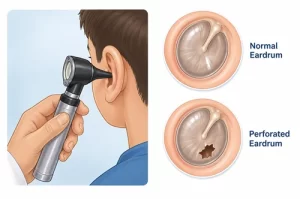
- Otoscopy: Examining the ear canal and tympanic membrane
- Microscopic examination: When there is a need for a more detailed analysis
- Bacteriological cultures: In case of infection caused by bacteria or fungi
- Hearing tests: In case of hearing impairment
How is Otitis Externa Treated?
Therapy
The goal of therapy is to control the infection, reduce inflammation, and alleviate other symptoms.
Pharmacotherapy
- Ear drops containing antibacterial or antifungal agents
- Painkillers
- Anti-inflammatory drugs
- The ear cleaning procedure is performed by an ENT specialist.
Supportive Treatment
- Ensuring that the ear is kept dry
- Not putting anything inside your ear.
- Applying ear drops as prescribed
Other Options
In difficult cases, patients should use oral medications and other procedures.
What are the Complications of Untreated otitis externa?
Untreated otitis externa may lead to further complications for patients.
Potential Complications Are As Follows:
- The development of infection in adjacent structures
- Duration of pain and edema
- Narrowing of the external auditory canal
- Temporary hearing problems
- Infections that become life-threatening in some people
Timely treatment will prevent such problems.
How can otitis externa be prevented?
Prevention methods are essential for individuals at risk of developing the condition.
Preventive Measures:
- The ear should be kept dry after swimming and bathing.
- Foreign bodies should not be introduced into the ear.
- Earplugs should be used during swimming if recommended by a doctor.
- The ear should be dried with a clean towel.
- Avoid using harsh hair and skin-care products in the ear.
Keeping the ears clean helps prevent the occurrence.
Living with Otitis Externa
Most people with otitis externa get better quickly with proper treatment.
Tips:
- Medication for the condition must be taken strictly as prescribed.
- Swimming must be avoided during recovery.
- The ear should not be irritated with nails or other things.
- Regular check-ups should be attended if symptoms do not improve.
Why choose Likita ENT Hospital for Otitis Externa (Swimmer’s Ear) Treatment in Patna, Bihar, India?
Likita ENT Hospital offers advanced Cholesteatoma treatment in Patna, Bihar, India, at an affordable cost. Our team of experienced ENT specialists provides accurate diagnosis and personalized treatment plans based on the location, size, and extent of the cholesteatoma. Treatment may include careful ear cleaning, infection control, hearing assessment, and surgical procedures such as tympanoplasty and mastoidectomy when required. With advanced diagnostic facilities, experienced ENT surgeons, and a patient-focused approach, Likita ENT Hospital is committed to controlling infection, protecting hearing, preventing disease progression, and providing safe and effective long-term care for patients with Cholesteatoma in Patna, Bihar, India.
To seek an Expert Consultation for Otitis Externa (Swimmer’s Ear) Treatment in Patna, Bihar, India: