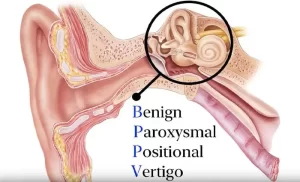
Labyrinthitis is an inner-ear disease characterized by inflammation of the labyrinth, an inner-ear structure that conveys balance and hearing information to the brain. Patients suffering from labyrinthitis experience hearing impairment and vertigo. Therefore, people affected by labyrinthitis find it difficult to undertake routine activities such as walking and operating machinery.
The illness results from an infection, either viral or bacterial. Since the inner ear is involved in maintaining balance and hearing, any inflammation of this organ can cause serious health problems. Labyrinthitis requires proper medical intervention and management to reduce complications and ease symptoms.

Labyrinthitis arises from inflammation or infection of the inner ear.
Causes of Labyrinthitis include:
Viral infections are more prevalent than bacterial ones in labyrinthitis, especially after upper respiratory tract infections.
Patients with labyrinthitis experience various symptoms.
Common Symptoms May Include:
The symptoms are aggravated by sudden head movements and positional changes.
Labyrinthitis can be divided into subtypes based on the underlying cause and the structures involved.
Differentiation of these forms is vital for the process of therapy and rehabilitation.
The right diagnosis is paramount, as the disease may be mistaken for many others with similar symptoms.
Methods for Diagnosis Include:
Such tests help ENT specialists assess the extent of inner ear damage and auditory function.
Management is determined by the cause, degree, and duration since symptom onset.
These therapies allow the brain to compensate and regain its sense of balance.
Components of Therapy Consist of:
In cases of persistent hearing impairment, the patient may require an auditory assessment and reconditioning.
Most viral instances heal slowly with proper therapy and rehabilitation.
Severe or untreated labyrinthitis can result in long-lasting balance and hearing issues.
Complications May Include:
Timely treatment decreases the risk of complications and increases the chances of recovery.
The risk of infections and associated effects may be decreased by taking certain preventive steps.
Preventive Measures Are:
Prompt treatment of upper respiratory infections helps prevent inner ear infections.
Recovery from labyrinthitis can be lengthy, particularly if the balance issues continue.
Important Points to Remember:
Properly managed and treated cases of labyrinthitis yield good recovery outcomes.
Likita ENT Hospital offers safe and effective Labyrinthitis Treatment in Patna, Bihar, India, at an affordable cost. Our team of experienced ENT specialists provides accurate ear and balance examination and diagnostic assessment to identify possible inflammation of the inner ear and evaluate its effect on hearing and balance. Treatment is tailored according to the severity and duration of symptoms, hearing changes, dizziness, balance problems, possible underlying cause, and individual patient needs. When required, our ENT specialists can manage associated vertigo, dizziness, nausea, hearing loss, ringing in the ear, or balance difficulties and recommend suitable medical treatment, vestibular rehabilitation, and follow-up care when appropriate. With advanced ENT diagnostic facilities, experienced specialists, and a patient-focused approach, Likita ENT Hospital is committed to providing safe, precise, and comfortable Labyrinthitis Treatment in Patna, Bihar, India.