Snoring is a prevalent sleep disorder in which an individual emits sounds during sleep, often caused by partial obstruction of the airways in the nose, mouth, or throat. While occasional snores are generally harmless, consistent and loud snores can interfere with a person’s sleep, potentially indicating an underlying issue of OSA (obstructive sleep apnoea), a sleep disorder characterized by repeated cessation of breathing.
Anyone, both adults and children, can be affected by snoring. The causes are varied; they range from a blocked nose or an oversized set of tonsils to conditions such as obesity, relaxed throat muscles, sinus problems, or a constricted airway. Excessive snoring reduces sleep quality, which can lead to fatigue, irritability, difficulty focusing during the day, headaches, and a decrease in quality of life. In serious cases of OSA, if not properly treated, patients can become vulnerable to the development of metabolic problems, heart disease, and high blood pressure.
ENT specialists at LIKITA are committed to pinpointing the precise cause of snoring in every patient. They then follow up with appropriate treatments that can help to normalize breathing and ultimately sleep. It is important to treat snoring properly to avoid potential health issues down the line.
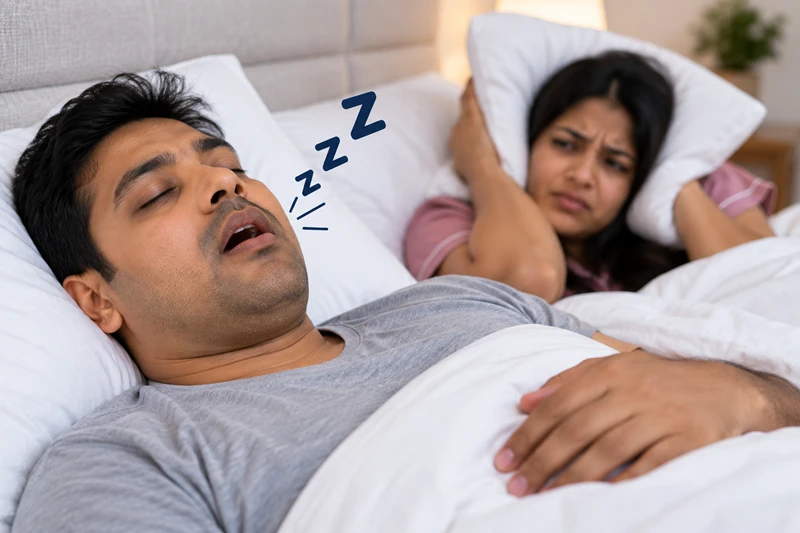
Snoring is created when the passage of air through the mouth, nose, or throat is partially obstructed during sleep.
Causes typically include:
How severe the snoring is depends on how much the airway is narrowed.
The symptoms of snoring vary with the severity of airway obstruction and the degree of disturbed sleep.
Common symptoms include:
Patients who exhibit snoring and breathing pauses must seek medical attention from a qualified specialist.
The type of snoring will vary depending on the cause of the airway blockage.
The diagnostic process will help determine airway obstructions and sleep quality.
Diagnosis methods include:
This enables ENT specialists to determine the severity of the problem and the cause of the snoring.
Treatment depends on the state of the airway disorder and how much it interferes with a patient’s daily life.
Surgery is typically considered for severely blocked airways.
Common surgical operations:
Advancements in ENT procedures have made them less invasive and more effective in treating airway and sleep problems.
Uncontrolled snoring and sleep apnea can have a detrimental effect on a patient’s overall well-being.
Possible adverse effects include the following:
Early treatment greatly improves sleep quality and has positive long-term effects on health.
Some lifestyle changes can help in avoiding snoring altogether.
Methods for preventing snoring:
Regular visits to the ENT department at LIKITA can help reduce airway obstruction in some cases.
After treatment and lifestyle changes are implemented, patients should see significant improvement.
Key Tips for patients:
With effective treatment and management, patients can expect better sleep, energy levels, and quality of life.
Likita ENT Hospital offers safe and effective Snoring Treatment in Patna, Bihar, India, at an affordable cost. Our team of experienced ENT specialists provides accurate nose, throat, and airway examination and diagnostic assessment to identify the possible cause of snoring and evaluate its effect on sleep and breathing. Treatment is tailored according to the severity and frequency of snoring, nasal and throat anatomy, sleep symptoms, underlying conditions, and individual patient needs. When required, our ENT specialists can manage associated nasal blockage, deviated nasal septum, enlarged tonsils or adenoids, nasal allergies, mouth breathing, sleep-disordered breathing, or sleep apnea and recommend suitable medical or surgical treatment when appropriate. With advanced ENT diagnostic facilities, experienced specialists, and a patient-focused approach, Likita ENT Hospital is committed to providing safe, precise, and comfortable Snoring Treatment in Patna, Bihar, India.