FESS is a contemporary surgical method involving the use of an endoscope to treat chronic sinus disorders by restoring proper drainage and functionality of the sinuses. In general, FESS can be performed in people with chronic sinusitis, nasal polyps, recurrent sinusitis, sinus obstruction, and other sinus-related conditions that cannot be managed with conventional treatment.
The sinuses are empty spaces near the nose; their duties include humidifying air, assisting voice production, and lightening the skull. Water builds up when the sinuses are clogged by allergies, infections, or polyps, among other things.
FESS is done by inserting an endoscope through the nostrils to have visual access to the nasal cavity and the sinuses. Then, specialized tools are used to clear sinus openings and improve sinus ventilation without damaging healthy tissues.
Endoscopic sinus surgery has been shown to provide greater precision, less bleeding, a quicker recovery time, and superior results compared to traditional sinus surgery.
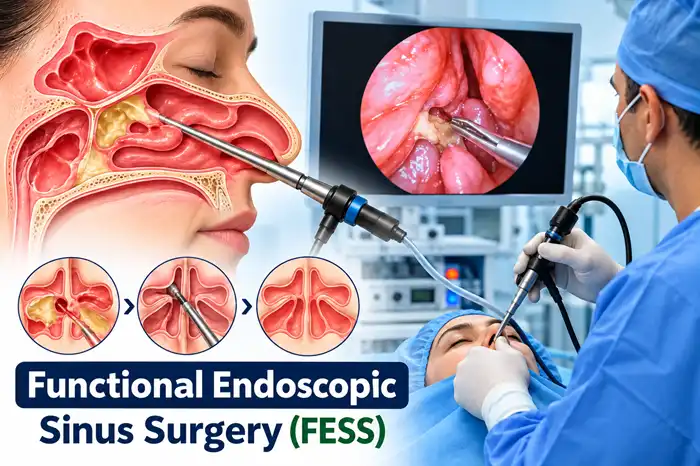
Indications for FESS include patients with chronic or recurrent sinus disease that is difficult to treat medically.
Some Common Indications Are:
• Chronic sinusitis
• Recurrent sinus infections
• Nasal polyps
• Obstruction of the sinus drainage pathway
• Deviated nasal septum in sinus disease
• Fungal sinusitis
• Headache and pain due to sinus
• Chronic nasal obstruction
• Mucoceles and certain sinus tumors
In some cases, surgery is suggested when symptoms fail to improve with medication and non-surgical measures.
Various factors may obstruct sinus drainage and lead to chronic inflammation.
Some Common Causes Are:
• Allergic rhinitis
• Recurrent respiratory infection
• Nasal polyps
• Deviation of the nasal septum
• Turbinates enlargement
• Pollution
• Asthma and allergies
• In some cases, fungal infection
The obstruction leads to mucus buildup and frequent sinus infections.
A patient who needs FESS has symptoms related to a chronic nasal and sinus condition.
Typical Symptoms Include:
• Nasal congestion on a consistent basis
• Pain or pressure in the face
• Repeated episodes of sinus infection
• Thick nasal drainage
• Post-nasal dripping sensation
• Headache
• Absence or reduced sense of smell
• Trouble breathing through the nose
• Snoring and sleep disturbance
• Fullness in the ear or facial pain
Any symptoms persisting for over 12 weeks may suggest chronic sinusitis.
A thorough diagnosis is needed prior to any sinus operation.
Diagnostic Tests Include:
• Clinical assessment by an ENT specialist
• Microscope examination of the nasal passage
• A paranasal sinus and nose CT scan
• Examination of the drainage pathways of the sinuses
• When necessary, an allergy test
• Checking for nasal polyps or septal deviation
All these diagnostic procedures help identify sinus disease and plan surgical treatment.
Sinus operations are commonly done under local or general anesthesia using advanced techniques.
Steps In the Operation
• The nasal cavity is entered with an endoscope.
• Large sinus openings identified
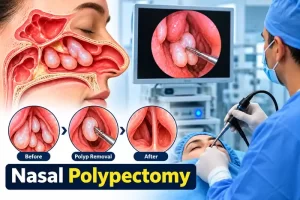
• Damaged lining and polyps removed.
• Nasal passages widened
• Nasal structures preserved
There are no external incisions involved in the procedure, making it minimally invasive and scarless.
High-end technologies provide the latest HD endoscopy with great accuracy and safety.
In many instances, additional procedures may be required to improve the effectiveness of FESS surgery.
Some Other Common Procedures Are:
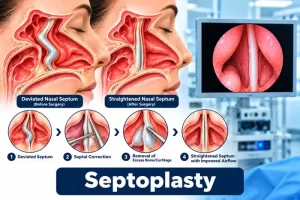
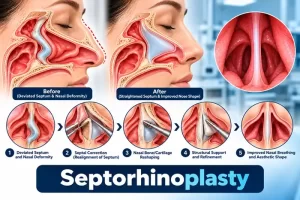
• Surgery of the nasal septum – Septoplasty
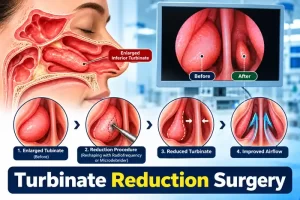
• Procedure of Turbinate Reduction
• Polyp Removal
• Balloon Sinuplasty
• Allergy-related nasal surgeries
When these procedures are performed together, there is greater improvement in nasal airflow and sinus drainage.
Recovering from FESS usually takes a couple of weeks after the surgery.
Recovery includes:
• Cleaning with saline solution
• Regular intake of prescribed medication
• Forced nasal breaths are avoided.
• Performing nasal cleansing and an endoscopy check-up
• Nasal allergy and sinus management, if required
Congestion, slight bleeding, or crusting may occur during healing after surgery.
FESS is very helpful in relieving many problems associated with chronic sinusitis.
Some Advantages of FESS Are:
• Effective sinus drainage
• Nasal airways improvement
• A decreasing number of sinus infections
• Improvement in the sense of smell
• Release from pressure in the face and headaches
• Helping with sleeping better
• Decrease dependency on drugs
• Improving quality of life
While FESS is a relatively safe procedure, complications can sometimes arise.
Some Possible Complications Are:
• Bleeding
• Infection
• Development of adhesions within the nasal cavity
• Reappearance of sinus diseases or polyps
• Temporary nasal dryness or crusts
• Very rarely, injury to the surrounding structures, like the eyes or the base of the skull
Surgical skills and post-procedure care reduce the risk of such complications.
Proper long-term sinus maintenance is still necessary after the procedure.
Key Care Considerations Are:
• Saline nasal sprays are necessary daily.
• Preventive measures against allergies must be continued if necessary.
• No smoking and exposure to irritants
• Monitoring visits to the ENT specialist
• Timely treatment for respiratory infections
LIKITA Hospital is a trusted healthcare facility for Functional Endoscopic Sinus Surgery (FESS) in Patna, Bihar, India, providing specialized evaluation and treatment for chronic sinusitis, recurrent sinus infections, nasal polyps, chronic nasal obstruction, and blocked sinus drainage pathways. Our experienced ENT surgeons use advanced nasal endoscopy, high-definition visualization, and modern minimally invasive sinus surgery techniques to provide precise and patient-focused treatment. With detailed diagnostic evaluation, individualized surgical planning, advanced FESS techniques, and dedicated postoperative follow-up, LIKITA Hospital focuses on effective sinus drainage, improved nasal breathing, reduced sinus symptoms, smoother recovery, and better long-term sinus health.