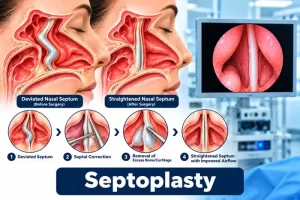
Septorhinoplasty is an advanced surgical procedure that involves two separate procedures, septoplasty and rhinoplasty. It is used to correct internal nasal breathing problems and structural deformities of the nose. The septoplasty portion of the surgery improves nasal breathing by correcting a deviated nasal septum. If required, the rhinoplasty component of the surgery corrects structural issues and aims to improve the nose’s aesthetics and function.
The nasal septum is the thin plate of bone and cartilage that creates two distinct passageways on either side of the nose. If this dividing structure is bent or deviated, it may result in airway obstruction, leading to difficulty breathing, nasal congestion, sinus disease, and snoring. Some individuals also experience problems with their outer nasal structures for several reasons.
Septorhinoplasty not only restores proper nasal airflow but also improves the shape, balance, and structure of the nose and is typically performed for both functional and cosmetic reasons. Modern surgical methods for septorhinoplasty utilize minimally invasive endoscopic and reconstructive surgery that provides precision with safety and a more rapid recovery than was previously possible. The results of these techniques are usually quite natural-looking.
This operation not only improves nasal breathing and sinus function but also increases self-esteem and facial harmony.
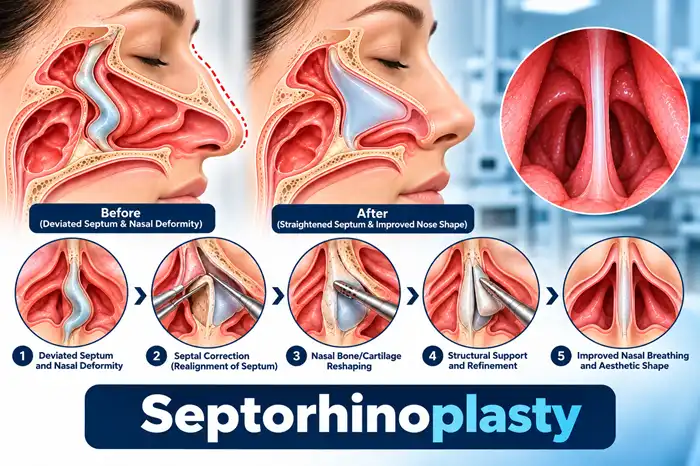
This operation is suitable for patients with difficulty breathing through the nose and a nasal deformity.
Possible Indications for Septorhinoplasty
• Nasal airway obstruction and deviated septum
• Deformities of the nose post-trauma
• Crooked nasal structure
• Birth abnormalities of the nose
• Nasal blockage with an external deformity
• Snoring due to nasal airway obstruction
• Nasal surgery complications (e.g., prior failure)
• Asymmetrical nasal structure impacting function and appearance
Those with persistent nasal blockages and external nasal problems may find that this operation provides significant benefit.
The nose’s internal and external structures are vulnerable to problems caused by various factors.
Common Causes of Nasal Deformities and Deviated Septum
• Birth defects affecting the nasal structure
• Trauma or injuries affecting the face.
• Trauma during sporting activities
• Road traffic accidents
• Post-surgical problems from previous nasal surgery
• Developmental problems affecting nasal growth
These issues not only create functional problems within the nasal airway but also affect facial appearance.
Patients requiring this type of surgery will present with functional and cosmetic nasal complaints.
Common Symptoms and Nasal Problems
• Trouble breathing through the nose
• Nasal congestion that is persistent
• Snoring and poor quality sleep
• Repeated sinus infections
• Breathing through the mouth
• Nasal bleeding
• Asymmetrical or crooked nasal structure
• Deformities of the nose after injury
• Difficulty breathing at sleep or during exercise
All these symptoms contribute to quality-of-life problems and may significantly affect how a person feels about themselves.
Prior to surgery, several tests will be required.
Diagnostic Investigations Before Septorhinoplasty
Diagnostic tests include:
• Full ENT physical examination
• External nasal structure evaluation
• Nasal Endoscopy
• Assessment of the nasal airway resistance
• A sinus and nasal CT scan is recommended.
• Photographs of the nose in many positions for pre-operative analysis and planning of the surgical procedure
• Investigation for the presence of a concomitant sinus disease and its degree
The above tests help assess the severity of structural problems in the nasal cavity and can be incorporated into the surgical reconstruction plan.
Typically, general anesthesia is used for this surgical operation, using modern reconstructive and endoscopic techniques.
Overview of the Septorhinoplasty Procedure
• Surgical reconstruction of the deviated nasal septum
• Augmentation and/or reduction of the nasal cartilage and bone
• Reconstructive repair of the nose, restoring symmetry and support
• Augmentation of the nasal airway
• Preservation of normal nasal structures
The type of surgery and the methods used depend on the degree of nasal deformity. A combination of open and closed rhinoplasty procedures can achieve the best reconstruction of the nose. Reconstructive rhinoplasty has emerged as a modern surgery that emphasizes not only functionality but also aesthetics.
Often, additional surgical procedures can be performed at the same time as septorhinoplasty to improve the nose further and ensure a better overall result.
Combined Procedures With Septorhinoplasty
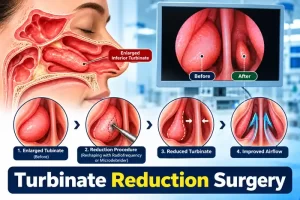
• Turbinate Reduction
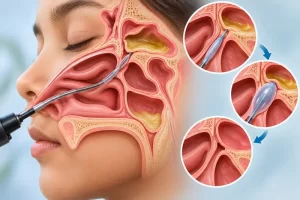
• Functional Endoscopic Sinus Surgery (FESS)
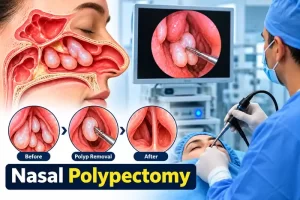
• Nasal Polypectomy
• Repair of the Nasal Valve
• Treatment of Nasal Scarring
Treatments combined with septorhinoplasty achieve an improved nasal airway more efficiently.
Full recovery from surgery usually occurs gradually over the weeks following the operation.
Key Points of Postoperative Care
• Adherence to prescribed medications
• Refraining from blowing your nose for a period postoperatively
• Care is needed to avoid injury to the nose after surgery.
• Regular nasal irrigation with a sterile saline spray is important for healing.
• Attendance at ENT follow-up visits and dressing care
Swelling and bruising are to be expected postoperatively, and these should resolve gradually. Congestion may also be felt and take longer to subside.
Patients undergoing this surgery will benefit in both function and appearance.
Advantages of Septorhinoplasty Treatment
• Enhanced ability to breathe using the nose
• Less obstruction to breathing when sleeping or exercising
• Correction of any abnormality in the external nose
• Improved facial structure and symmetry
• Decreased risk of having a sinus infection
• Better sleep
• Increased confidence and general quality of life
The majority of patients report breathing more freely in the long term after undergoing septorhinoplasty.
Although relatively safe, as with any surgery, there is always a small risk of complications.
Possible Complications of Septorhinoplasty
• Excessive bleeding
• Infection in and around the operated region
• Blockage of the nasal airway
• Persistent bruising and swelling
• Cicatrix formation in or under the skin of the nose
• Perforation of the septum
• Minor cosmetic asymmetries requiring further intervention
• Loss of feeling in the nose after surgery
Appropriate surgical technique, combined with adequate postoperative care, is crucial for reducing the hazards associated with nose surgery.
Most people lead a normal life once the recovery period is over.
Tips for Life After Septorhinoplasty
• Guard the nose from being injured.
• Keep your nasal passages clean.
• Attend ENT follow-ups
• Avoid smoking and pollution.
• Promptly treat allergies and sinus conditions.
Properly caring for your nose after septorhinoplasty surgery is essential to ensuring lasting breathing improvement.
Last Updated: October 8, 2026
LIKITA ENT Hospital is a trusted ENT Centre for Septorhinoplasty in Patna, Bihar, India, providing specialized evaluation and surgical treatment for deviated nasal septum, nasal airway obstruction, crooked nose, nasal deformities, post-traumatic nasal problems, and functional and structural nasal concerns. Our experienced ENT surgeons use advanced nasal endoscopy, modern reconstructive techniques, and individualized surgical planning to address both nasal function and structural problems. With comprehensive preoperative assessment, precise surgical techniques, patient-focused care, and dedicated postoperative follow-up, LIKITA ENT Hospital focuses on improving nasal breathing, restoring nasal function, achieving balanced structural results, supporting smooth recovery, and improving long-term quality of life.