Tonsillectomy is the most common ENT pediatric surgery, performed in children with recurring sore throats, enlarged tonsils, breathing problems, or other sleep disorders. These tonsils are oval-shaped glands at the back of the throat that help develop a child’s immune system. However, while the tonsils protect the body from infection, they can cause health problems when they are frequently inflamed or enlarged.
Children with chronic tonsillitis or enlarged tonsils may experience sore throats, fevers, swallowing problems, poor sleep, snoring, mouth breathing, sleep apnea, loss of appetite, and reduced attention in school. In such circumstances, tonsillectomy can help improve breathing, sleep, and eating, as well as other aspects of the affected child’s health.
Pediatric tonsillectomy entails minimally invasive surgeries designed to minimize the risks of pain and blood loss associated with the procedure and enhance the speedy recovery of the child. The surgery involves the use of general anesthesia, hence requiring close monitoring of the child before, during, and after the procedure.
Tonsillectomies in children have become more successful and safer under the care of qualified surgeons using modern equipment and facilities.
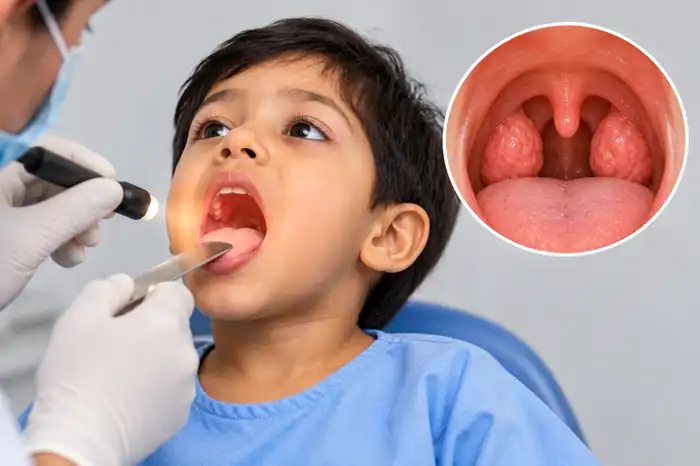
Tonsils are lymphoid tissues found on both sides in the rear part of the mouth cavity.
The roles of the tonsils include:
While tonsils play an important role in the immune system, recurrent infections or enlargement may necessitate their removal over time.
A tonsillectomy is indicated for children with persistent or complicated tonsillar conditions.
Indications for Tonsillectomy Include:
There are many reasons a child might have frequent tonsillitis.
These include:
Some children are predisposed to developing enlarged tonsils that prevent them from breathing normally, even without recurring infections.
Children who require a tonsillectomy often have symptoms related to their throats and breathing.
Common Symptoms Are:
When tonsils are severely swollen, they can cause problems with breathing, feeding, and speech.
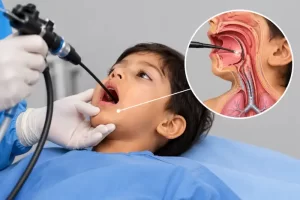
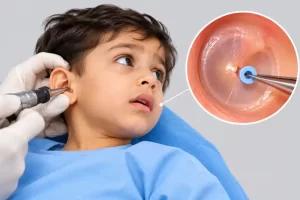
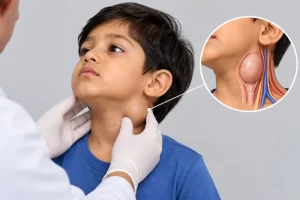
A thorough diagnosis by an ENT specialist is required before surgery in children.
Diagnostics
They will assist in determining whether a tonsillectomy is necessary and the severity of the illness.
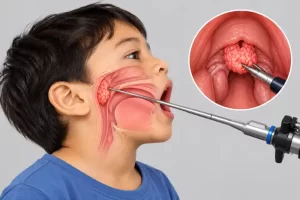
Tonsillectomy is normally done on children under general anesthesia using modern surgical procedures.
Procedure Outline
No cut is made in the body during tonsillectomy.
Examples of Common Surgical Methods Include:
These modern methods can lead to reduced postoperative pain and bleeding and to faster recovery.
A child can fully recover within 1 to 2 weeks after tonsil removal.
Post-Surgery Care Recommendations Include:
Possible side effects include throat pain, difficulty swallowing, and ear pain during recovery.
Fever, dehydration, and blood loss should be monitored by parents when a child undergoes tonsil surgery.
Pediatric tonsillectomy can benefit a child in many ways.
Some benefits associated with tonsillectomy are as follows:
Most children show significant improvements in throat health and sleep-related problems after tonsil surgery.
Possible Risks Are As Follows:
Good surgical and post-surgical care may prevent such complications.
Most children heal completely without complications and resume their daily activities soon after recovery.
Some Key Recommendations Are:
Most children have better sleep and breathing after recovery from tonsillectomy.
LIKITA ENT Hospital is a trusted ENT Centre for Pediatric Tonsillectomy in Patna, Bihar, India, providing specialized evaluation and treatment for recurrent tonsillitis, enlarged tonsils, snoring, obstructive sleep apnea, and tonsil-related breathing or swallowing difficulties in children. Our experienced ENT specialists focus on accurate diagnosis, individualized treatment planning, and appropriate surgical techniques to address tonsil-related problems in children. With comprehensive diagnostic evaluation, modern surgical techniques, appropriate anesthesia and postoperative monitoring, and dedicated follow-up care, LIKITA ENT Hospital aims to help children achieve improved breathing, better sleep quality, and relief from recurrent tonsil infections when surgery is medically indicated.