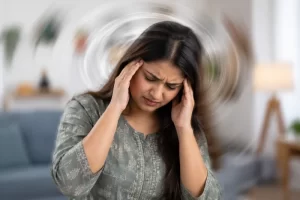
One of the most frequent causes of Vertigo is not harmful. BPPV, or paroxysmal positional vertigo, is the experience of brief episodes of spinning caused by particular movements of the head. Patients suffering from BPPV will have a feeling of dizziness when changing positions in bed, bending forward, looking up, and moving suddenly from one posture to another. While the condition might seem severe, it poses no threat to life and can be treated quite effectively.
BPPV occurs due to an inner ear disturbance. Otoconia are microscopic crystals of calcium carbonate that normally reside in a specific region of the inner ear. These particles become displaced and enter the semicircular canals, interfering with inner-ear signals and causing vertigo.
This condition can occur at any age, but it is more common among older adults. Timely diagnosis and treatment in ENT help eliminate the condition early and improve a patient’s balance and confidence.
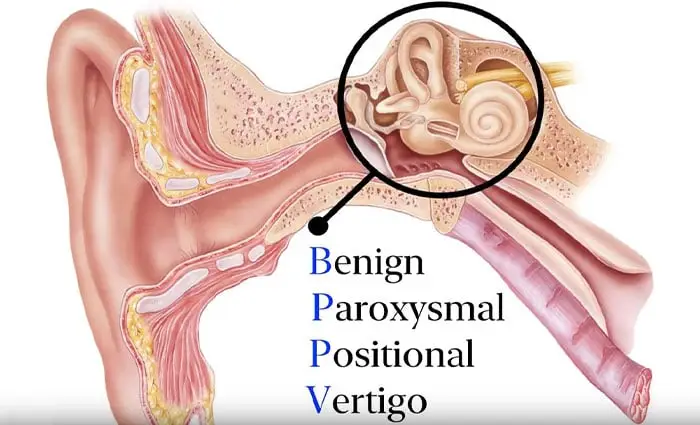
BPPV occurs when balance crystals in the inner ear are displaced.
Common Causes and Risk Factors
In some patients, no cause is found, particularly in age-related BPPV.
BPPV symptoms come on suddenly and can be brought about by head movement.
Common Symptoms
Symptoms associated with vertigo include:
Attacks are usually brief but can occur frequently if left untreated.
Different semicircular canals of the inner ear can be affected by BPPV.
It is important to diagnose BPPV, as its symptoms can resemble those of other disorders.
Diagnosis Procedures May Involve:
These diagnostic methods allow ENT doctors to precisely identify the ear and balance channel involved.
This disorder is very responsive to treatment, and most patients can achieve remarkable recovery with adequate treatment.
There are specific techniques for moving the dislodged crystals back to their correct positions.
Common Techniques Are:
These are normally conducted by skilled ENT practitioners or therapists.
Drugs may be prescribed to manage nausea and dizziness, but cannot address the root cause of BPPV.
Patients are taught various exercises to improve balance and reduce recurrent dizziness.
Exercises Entail:
Most patients recover quickly when treated appropriately.
Even though BPPV is a harmless condition, untreated symptoms can disrupt everyday activities and even pose certain risks.
Complications That May Occur Include:
Early treatment prevents the above complications.
There are no sure ways to prevent BPPV, but the following tips may be useful.
Tips For Prevention:
Frequent monitoring is important for those who experience recurrent episodes.
Most people with BPPV make good progress with proper treatment and rehabilitation.
Key Points to Consider:
In most cases, patients make a full recovery and regain their balance abilities.
Last Updated: September 14, 2026
Likita ENT Hospital offers safe and effective Benign Paroxysmal Positional Vertigo (BPPV) Treatment in Patna, Bihar, India, at an affordable cost. Our team of experienced ENT specialists provides accurate ear and balance examination and diagnostic assessment to identify BPPV and determine the movements or positions that trigger vertigo. Treatment is tailored according to the severity and frequency of symptoms, affected ear, age, balance concerns, and individual patient needs. When required, our ENT specialists can manage associated dizziness, spinning sensations, nausea, imbalance, or recurrent episodes and recommend suitable repositioning manoeuvres and other appropriate treatment based on the patient’s condition. With advanced ENT diagnostic facilities, experienced specialists, and a patient-focused approach, Likita ENT Hospital is committed to providing safe, precise, and comfortable Benign Paroxysmal Positional Vertigo (BPPV) Treatment in Patna, Bihar, India.