Nasal polypectomy is a precise surgical procedure designed to remove nasal polyps. Nasal polyps are soft, harmless growths in the nasal passages or paranasal sinuses that develop as a result of long-term inflammation and are non-cancerous. Nasal polyps affect airflow and sinus drainage. This results in symptoms such as constant nasal congestion, shortness of breath, frequent sinus infections, an altered sense of smell, snoring, and facial pressure.
Some risk factors for developing nasal polyps include sinusitis, allergic reactions, asthma, aspirin allergy, and chronic nasal inflammation. Although steroid nasal sprays can be used to treat small polyps, surgical treatment of larger or multiple polyps remains the best choice.
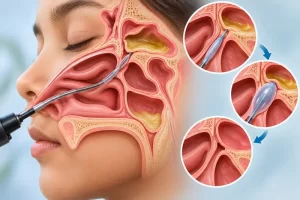
The main purpose of performing a nasal polypectomy is to remove nasal polyps, improve drainage of the nose and sinuses, enhance nasal breathing, and relieve nasal complaints, while protecting the normal nasal tissues. In many cases, endoscopic sinus surgery techniques will be employed to remove the selected nasal polyp, with minimal invasion through the nostrils and no external incisions. The outcomes of current endoscopic nasal surgery have been quite promising, providing effective symptom relief and improved nasal function for patients with nasal obstruction due to polyps.
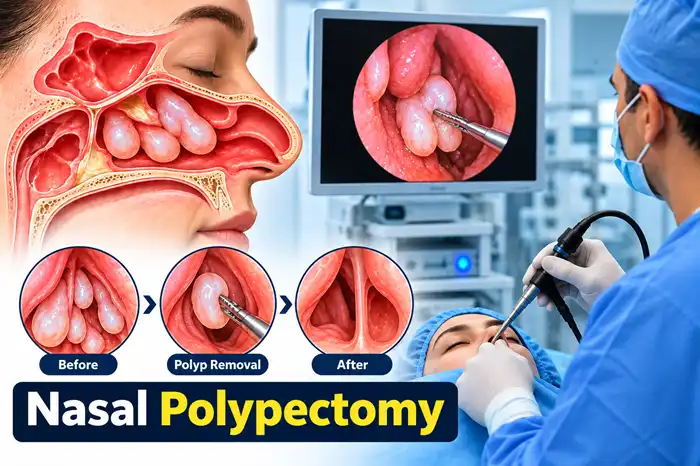
Nasal polyps are soft growths of inflamed tissue located in the nose or the sinuses, and their common features include:
Common Features of Nasal Polyps
• Soft and painless swellings
• Usually caused by an extended period of inflammation
• Located in either one or both nasal passages
• A wide range in size and numbers
• Cause of chronic sinusitis and allergies
Large polyps are problematic, blocking airflow and sinus drainage.
Nasal polypectomy can be performed in patients with nasal polyps who have not responded adequately to medical therapy.
Conditions Treated With Nasal Polypectomy
• Persistent blockage in the nose
• Chronic sinus disease with nasal polyps
• Frequent sinus infections
• Difficulty in breathing through the nose
• Loss or poor sense of smell or taste
• Snoring and sleep disturbance
• Headache or facial pressure
• Failure to respond to medical treatment
The procedure will improve breathing and sinus function.
Long-term inflammation of the nasal tissues, often caused by conditions listed below, may lead to polyp formation.
Causes of Nasal Polyps
• Chronic sinus disease
• Allergic rhinitis
• Asthma
• Sensitivity to aspirin
• Recurrent respiratory infections
• Irritants and pollution within the environment
• Fungal sinus disease in some patients
Many patients experience nasal polyp symptoms, which can affect breathing and sinus function.
Typical Symptoms of Nasal Polyps
• Persistent congestion in the nose
• Blocked nose
• Difficulty breathing through the nose
• Diminished sense of smell or taste
• Discharge from the nose or down the back of the throat (post-nasal drip)
• Repeated sinus infections
• Headache or pressure in the face
• Snoring
• Sleep disturbance
• Headache associated with blocked sinuses
As the nasal polyps grow, the above symptoms will worsen over time.
Before undertaking nasal polypectomy, a thorough diagnosis is required.
Diagnostic Evaluation for Nasal Polyps
Diagnostic evaluation procedures include:
• A complete ENT examination
• Nasal endoscopy
• Evaluation of the sinus drainage pathways
• CT scan of the nose and sinuses
• Allergy investigation, if deemed necessary
• Examination for chronic sinus disease and asthma
It is through the combination of these investigative techniques that the size, extent, and position of the polyps and underlying sinus problems can be accurately assessed.
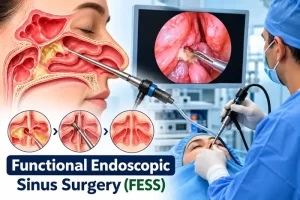
Typically, nasal polypectomy is performed via Endoscopic sinus surgery with minimal invasiveness while under general or local anesthesia.
Surgical Procedure Overview
• Endoscopic visualization through the nose
• Careful and precise removal of the nasal polyps
• Clearance of any blocked sinus passages
• Protection of existing nasal tissue structures
• Reconstruction of sinus and nasal drainage pathways
As no external cuts are required, the resulting operation is scar-free because the entire procedure is performed within the nose. Current endoscopic procedures ensure that the surrounding tissues and structures within the nose and sinuses are protected.
It is common to remove nasal polyps as part of another, more complex surgery to improve overall nasal or sinus function.
Common Additional Procedures With Nasal Polypectomy
• Functional Endoscopic Sinus Surgery (FESS)
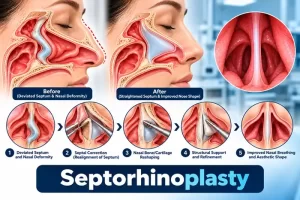
• Septoplasty
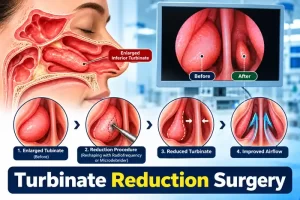
• Turbinate reduction
• Allergies related to nasal cavity treatment
Most patients undergo successful treatment with rapid recovery following surgery.
Postoperative Care After Nasal Polypectomy
• Saline nasal irrigation
• Medication as prescribed by the physician
• Temporary avoidance of blowing the nose
• Regular endoscopic examination and cleaning of the nose after surgery
• Allergy and sinus therapy, where appropriate
Slight nasal congestion or crusting will eventually resolve after surgery, along with the usual nasal pain or discomfort.
Nasal polypectomy significantly enhances sinus function and improves nasal airflow.
Main Benefits of Nasal Polypectomy
• Greater airflow through the nose
• More comfortable breathing through the nose
• Decreased risk of sinus infections
• Restoration of the sense of smell and taste
• Improvement in sleep quality
• Relief from headaches and facial pressure
• Quality of life improved overall.
Some of the long-term advantages of performing nasal polypectomy include improved symptoms in most patients, with proper follow-up and management of any associated allergies.
Nasal polypectomy is a highly safe procedure, but like any surgery, it may not be without risk. Rare potential complications include:
Possible Risks & Complications
• Bleeding
• Infection
• Recurrence of nasal polyps
• Nasal crusting
• Formation of adhesions in the nasal passage
• Temporary nasal dryness
• Rare injury to other nearby structures in the sinuses
By monitoring your post-operative recovery, it should be possible to reduce risks or other potential complications.
If nasal polyps recur, they should be treated early, so it is crucial that you continue to look after your sinuses after your operation.
Management After Nasal Polypectomy Surgery
• Continue with treatment for underlying allergies if recommended by the physician.
• Use saline sprays regularly to keep the nose moist.
• Do not smoke and avoid environments where irritants can be inhaled.
• Regular follow-up at the ENT clinic
LIKITA ENT Hospital is a trusted ENT centre for Nasal Polypectomy in Patna, Bihar, India, providing specialized evaluation and treatment for nasal polyps, chronic sinus disease, nasal obstruction, recurrent sinus infections, and difficulty breathing through the nose. Our experienced ENT surgeons use advanced nasal endoscopy, high-definition visualization, and modern minimally invasive techniques to precisely remove nasal polyps while preserving healthy nasal and sinus structures. With comprehensive diagnosis, individualized treatment planning, advanced endoscopic surgical techniques, and dedicated postoperative follow-up, LIKITA Hospital focuses on improving nasal airflow, restoring sinus function, reducing symptoms, supporting faster recovery, and improving long-term nasal and sinus health.