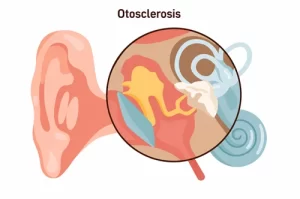
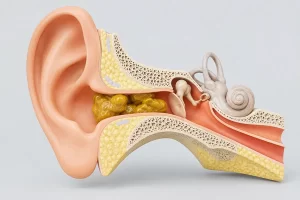
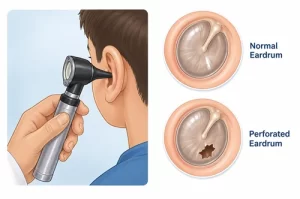
Chronic otitis media is an infection or inflammation of the middle ear that persists for weeks, months, or years. The condition occurs when an acute ear infection persists despite initial treatment. The medical condition develops into three distinct stages, which start with a permanent eardrum hole and progress to ongoing ear drainage and multiple levels of hearing impairment.
Chronic otitis media may also not cause significant pain, leading the patient to avoid seeking treatment. An ear infection damages the delicate tissues of the middle ear; therefore, the disease must be diagnosed early enough to allow the patient to receive treatment.
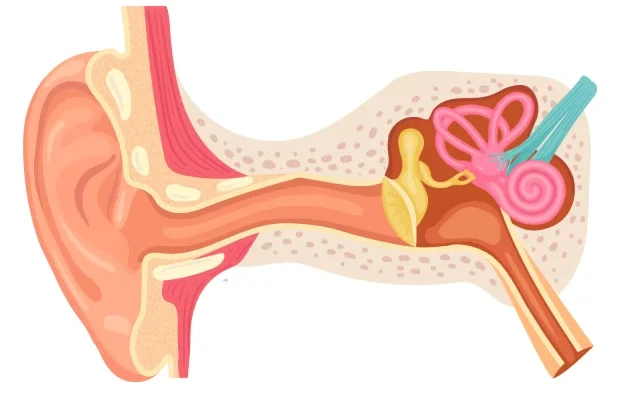
Chronic otitis media refers to a disease in which a person suffers from repeated ear infections owing to poor ventilation of the middle ear cavity, as the Eustachian tube links the middle ear cavity to the nasal passages.
Common Causes include:
Bacteria create favorable conditions for their survival, leading to long-lasting inflammation in the body and infectious diseases.
Patients with chronic otitis media display symptoms that remain constant but become more severe when medical treatment fails to deliver results.
Common Symptoms Include:
The condition causes children to experience speech delays and difficulties with focus and learning new skills.
Medical professionals classify chronic otitis media into two distinct categories based on its severity and potential to cause serious health issues.
The common form of this medical condition displays less serious health effects. The disease creates a central hole in the eardrum, leading to ear drainage problems and hearing impairment. The condition reduces the risk of major medical complications.
The medical condition poses higher health risks because it can lead to cholesteatoma, an abnormal skin growth that develops within the middle ear space. The medical condition causes bone destruction, which leads to dangerous health complications when medical treatment is absent.
Medical professionals need to perform precise diagnostic procedures to identify the specific type and severity of chronic otitis media to develop an effective treatment plan.
The following methods serve as diagnostic tools for medical professionals.
The tests assist ENT specialists in creating an accurate and effective treatment strategy.
The treatment process aims to achieve four main objectives: eliminating infection, stopping ear discharge, repairing the eardrum, and restoring hearing.
Medical Treatment services include:
Surgical Treatment becomes necessary when medical treatment fails to provide long-term relief or when structural damage is present.
Common Procedures include:
The procedures deliver safe, effective results, providing long-lasting relief while improving patients’ hearing.
Complications develop when chronic otitis media remains untreated for extended periods. The following conditions can lead to complications:
Preventing those outcomes depends on taking early action.
Some cases require treatment because they cannot be stopped, but specific methods can minimize their occurrence.
The following actions serve as preventive measures:
To maintain ear health, preventive care is essential throughout a patient’s life.
People with chronic otitis media need to attend medical appointments while following their treatment plan.
The Key Tips include
Most patients will achieve normal health outcomes when they receive appropriate treatment.
Last Updated: August 13, 2026
Likita ENT Hospital offers advanced Chronic Otitis Media treatment in Patna, Bihar, India, at an affordable cost. Our team of experienced ENT specialists provides accurate diagnosis and personalized treatment plans based on the severity of the infection, hearing condition, and involvement of the eardrum or middle ear. Treatment options may include medicines, ear care, hearing evaluation, and surgical procedures such as tympanoplasty and mastoidectomy when required. With advanced diagnostic facilities, experienced ENT surgeons, and a patient-focused approach, Likita ENT Hospital is committed to controlling infection, protecting hearing, and providing safe and effective long-term care for patients with Chronic Otitis Media in Patna, Bihar, India.