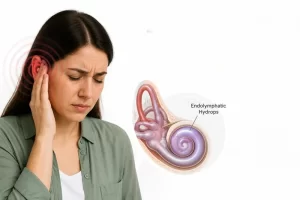
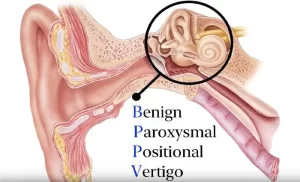
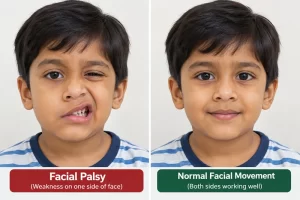
Vestibular neuritis is a balance disorder caused by irritation or enlargement of the vestibular nerve, which provides the brain with information about balance. Inflammation of the nerve causes the brain to receive erroneous balance signals, thus causing acute vertigo, dizziness, imbalance, and nausea.
Vestibular neuritis occurs acutely and can be highly disturbing to the patient. Hearing impairment is uncommon with vestibular neuritis; however, vertigo and imbalance can impair mobility, employment, driving, and other tasks. Vestibular neuritis has been primarily associated with viral illnesses and may follow an upper respiratory infection such as a cold, flu, or bronchitis.
Treatment can help patients recover fully through medication and vestibular physical therapy.
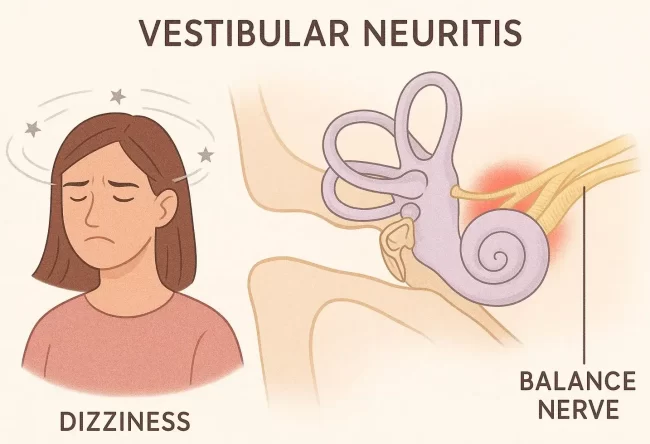
The primary cause of vestibular neuritis is nerve irritation or inflammation.
Common Causes and Risk Factors Include:
The condition often occurs after an infection.
Symptoms of vestibular neuritis often arise abruptly and are severe at first.
Symptoms Commonly Manifested
In contrast with labyrinthitis, hearing impairment and tinnitus are uncommon in vestibular neuritis.
There are several forms of vestibular neuritis based on the degree of nerve involvement.
A sudden attack of inflammation resulting in vertigo and imbalance that lasts for several days.
Persistent imbalance or dizziness may occur after the acute stage if the nerves fail to fully recover.
If the superior or inferior branch of the vestibular nerve is affected, respectively.
Determination of the intensity and anatomical location aids in formulating a rehabilitation regimen.
Correct diagnosis is essential since the symptoms can mimic those of a stroke and other neurological disorders.
Diagnostic Techniques Utilized
The main objectives of treatment include symptom control, reduced inflammation, and improved balance function.
Vestibular rehabilitation therapy is crucial to the recovery process and helps the brain adapt to changes in balance.
Therapy Components:
Most patients recover gradually over weeks or months with proper rehabilitation.
Failure to seek appropriate treatment and rehabilitation could result in chronic vestibular neuritis complications.
Some of the Common Problems Include:
Proper early rehabilitation greatly enhances the effectiveness of treatment.
Vestibular neuritis cannot always be prevented; however, certain practices can reduce the risk of infection.
Preventive Methods:
Promptness in treatment for vertigo attacks is mandatory.
It can take some time to recover from vestibular neuritis, particularly if the condition is more serious. Helpful Tips:
With adequate therapy and rehabilitation, almost everyone regains their balance.
Likita ENT Hospital offers safe and effective Vestibular Neuritis Treatment in Patna, Bihar, India, at an affordable cost. Our team of experienced ENT specialists provides accurate ear and balance examination and diagnostic assessment to identify vestibular nerve-related balance problems and evaluate their effect on the patient’s stability and daily activities. Treatment is tailored according to the severity and duration of symptoms, degree of dizziness or imbalance, possible underlying cause, age, and individual patient needs. When required, our ENT specialists can manage associated vertigo, dizziness, nausea, difficulty walking, balance problems, or recurrent symptoms and recommend suitable medical treatment, vestibular rehabilitation, and follow-up care when appropriate. With advanced ENT diagnostic facilities, experienced specialists, and a patient-focused approach, Likita ENT Hospital is committed to providing safe, precise, and comfortable Vestibular Neuritis Treatment in Patna, Bihar, India.